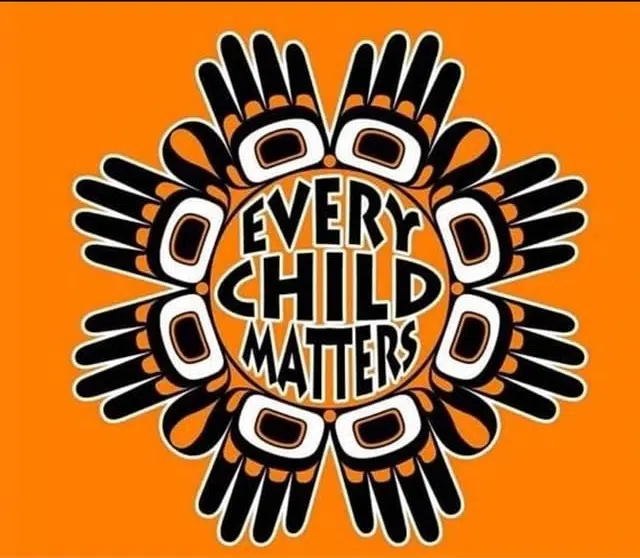
September 30th marks the National Day for Truth and Reconciliation in Canada, a day dedicated to remembering the children who were taken to residential schools and never returned home, as well as honoring the Survivors of these schools, their families, and Indigenous communities across the country.
Chief of Chippewas of Kettle and Stoney Point First Nation, Kimberly Bressette, says this day shouldn’t be the only day of year we work towards reconciliation.
This day is a reminder of the painful history of residential schools, which operated for over a century, with the last one closing in 1996. During this time, Indigenous children were taken from their families and forced into these schools, where they faced unfair treatment, abuse, and attempts to erase their culture and language.
The National Day for Truth and Reconciliation is a chance for all Canadians to reflect on this dark part of the country’s history, learn about the lasting impacts it has had on Indigenous peoples, and take steps toward healing and understanding. The day calls for ongoing conversations and efforts to ensure that the stories of those who suffered in the residential school system are never forgotten, and that Indigenous communities receive the support and respect they deserve.
Across the country, ceremonies, events, and moments of silence are held to pay tribute to the children who lost their lives, the Survivors who continue to carry the weight of their experiences, and the communities still working to heal from this trauma. It is also a time to reaffirm the importance of reconciliation and the need for real actions to improve the lives of Indigenous people in Canada.
Written by: K. Milhomens
