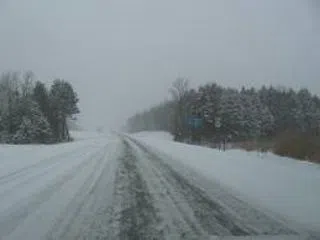
When temperatures drop, its important to protect yourself and your family if you need to be outside or traveling.
Stay updated on the weather forecast to be prepared for cold temperatures and storm warnings. Limit the time you spend outside and listen to your body, warming up when necessary. Be cautious when shoveling snow and watch for signs of overexertion or injury.
It’s important to be aware of frostbite and hypothermia symptoms. Frostbite can cause your skin to feel painful or numb and may appear white or greyish. Hypothermia, a dangerously low body temperature, may cause shivering, drowsiness, confusion, slurred speech, or memory loss.
When going outside, dress warmly in layers and wear winter boots, hats, and mittens. Cover as much skin as possible, especially when the wind chill is high. Drinking warm fluids can also help maintain your body temperature.
If you’re traveling, let someone know your plans and avoid traveling alone if possible. Carry a car kit with essentials like blankets, a phone and charger, a shovel, booster cables, a candle and matches, a flashlight with batteries, water, and snacks. Remember to bring pets inside to keep them safe from the cold.
Make sure to clear snow from your house and car vents to prevent carbon monoxide buildup. For more information and weather updates, visit Environment Canada’s website at http://weather.gc.ca
Written by: K. Milhomens
