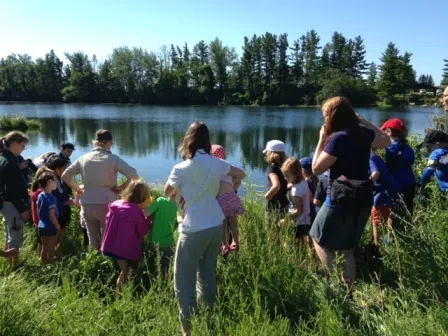
The event has had great success in previous years
Get ready for one of the most exciting nature events of the summer. The Huron Stewardship Council and the Ausable Bayfield Conservation Authority are teaming up with other local partners to host the Tenth Annual Turtle Hatchling Release. This special event will take place on Thursday, August 28th, from 1 p.m. to 4 p.m. at Morrison Dam Conservation Area.
Admission is free, and people are welcome to drop in anytime during the afternoon. Visitors are encouraged to make a donation if they can, with all proceeds going toward turtle conservation efforts in Ontario. To save a spot, you can visit the Eventbrite page online.
The event includes live reptiles on display, family-friendly activities, educational exhibits, and more. There will also be turtle-themed merchandise available to purchase.
Before the event, trained experts collect turtle eggs from the area where the hatchlings will be released. These eggs are carefully incubated because many would not survive if left on their own. On release day, trained staff, who have special permits, gently place the baby turtles back into the wild, close to where they were found. Visitors won’t be allowed to hold the turtles, to help keep the animals safe and stress-free, but they will be able to watch as the turtles are released and learn about their lives.
The event also shares an important message: never release a species, especially one that isn’t native, into the wild. It can harm the natural environment and other wildlife.
Ontario’s freshwater turtles are all at risk. One of the biggest threats they face is being hit by cars. Every year, hundreds of turtles are injured or killed on the road. This often includes pregnant females looking for a place to lay their eggs, or turtles trying to find new habitat. People can help by watching out for turtles when driving, and helping them cross roads in the direction they are going, if it is safe to do so. Residents can also help by creating turtle-friendly spaces on their properties or working with their communities to put up turtle crossing signs or build safe passages. Injured turtles can also be taken to special turtle hospitals for care.