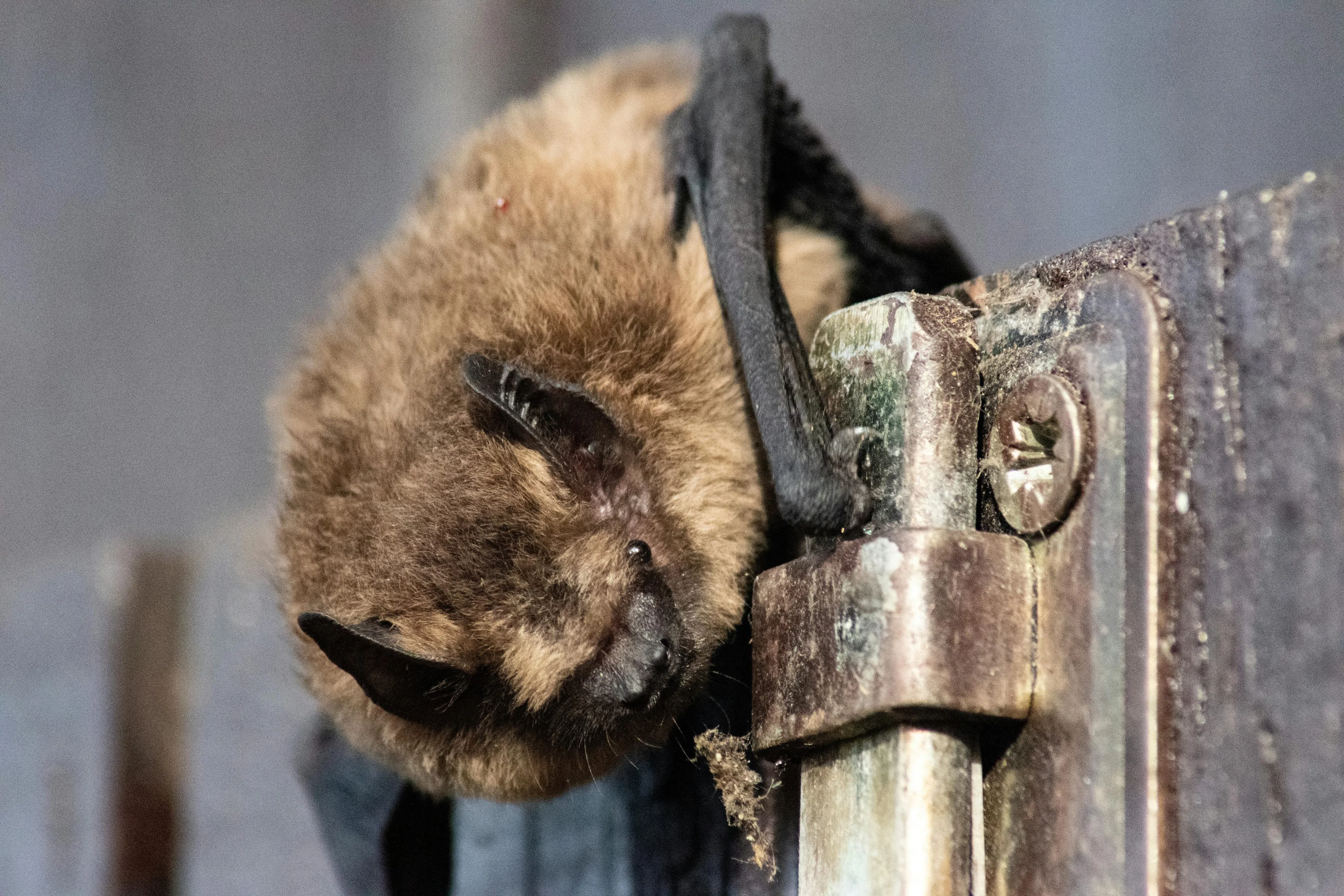
A bat in South Huron has tested positive for rabies, marking the second confirmed case in Huron Perth this year. Huron Perth Public Health (HPPH) has followed up with the people involved to make sure they receive treatment and are protected from the virus.
Rabies is found in about two to three percent of Ontario’s bat population. It spreads mainly through bites or scratches from infected animals, and without treatment, it is almost always fatal. HPPH reminds people to avoid contact with bats, wild animals, or unfamiliar domestic animals.
If you think you may have been exposed to rabies, confine the bat if you can do so safely, wearing thick gloves and never touching it with bare hands. HPPH will arrange for testing. Anyone bitten or scratched by a bat, or who has had contact with its saliva, should wash the area with soap and water and seek medical care immediately.
If a bat is in your home and you are sure there was no contact, keep it in one room, turn on the lights, and open a window so it can leave. To prevent bats from entering your home, seal small holes, secure screens, cap chimneys, install draft guards, and keep doors tightly closed.
Bats are active until cold weather arrives, usually hibernating in November. Residents can help protect themselves and their pets by ensuring cats, dogs, and ferrets over three months old are vaccinated, keeping pets leashed and indoors at night, avoiding contact with wild or stray animals, and removing outdoor food sources.
For more information, visit www.hpph.ca/rabies or call Huron Perth Public Health at 1-888-221-2133.