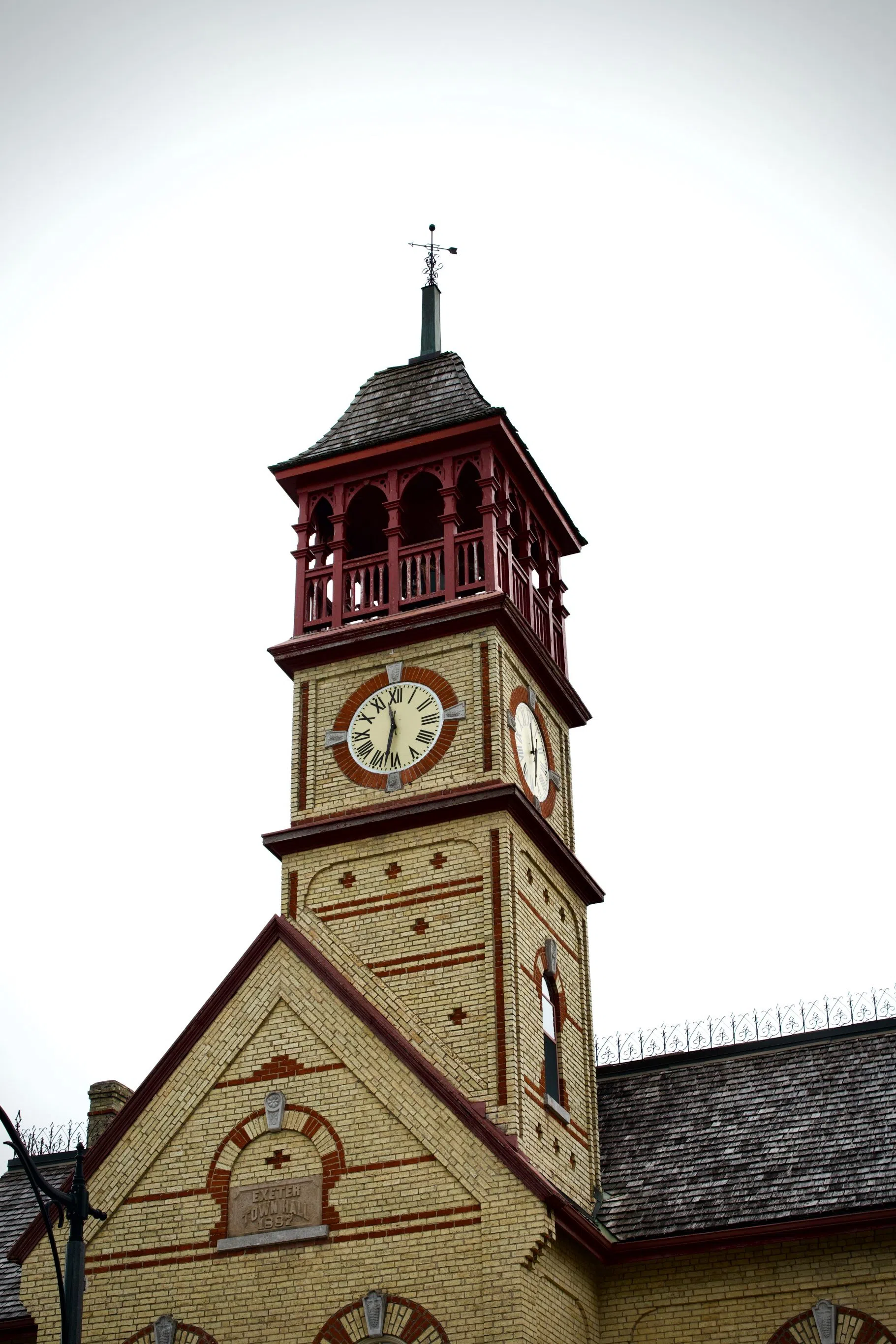
Photo by B. Shakyaver
South Huron Council is reevaluating their user fees following a presentation from consultation firm Hemson at their meeting on Monday (March 4) – which made clear that South Huron is losing out on capital from many revenue streams.
In an effort to establish fees that cover the costs of municipal services like planning, facilities and recreation, a report put together by Hemson attempted to quantify the exact costs of offering services. Currently, the largest generator of revenue that the municipality has is community and facilities services (38%), followed closely by building code enforcement (35%).
Cost of administrating various services included overhead, staff salaries, and capital replacement costs – the report reccomended an overall increase to many sectors including a 51% increase to building code, a 10% increase to recreation, and a 22% increase for ice rentals – a bump that presenter Stefan Krzeczunowicz said would help to close the gap between expenses and income.

The report sought to quantify the cost of offering services, and the amount of revenue generated by them
The report made it clear that while recreation costs should increase, the municipality did not intend to recover the full cost of offering recreation, as it contributes to a healthy and vibrant community. There was also a possible introduction of a surcharge for non-residents to those services floated, although councilors expressed concern about the complicated system needed to administrate that. Councilor Marissa Vaughan said that prior conversations had covered a variety of alternatives.

Proposed increases to recreation fees saw many signifigant changes
Additionally, the report also reccomended the introduction of parking permits, and a 64% increase to various planning fees – although Councillor Aaron Neeb noted that many municipalities keep planning fees low to attract developers.
Council will make a final decision following a public consultation period in the coming month, where residents will be provided an opportunity to give their feedback on proposed increases.
Written by: B. Shakyaver
