From Voyago Transit, Facebook
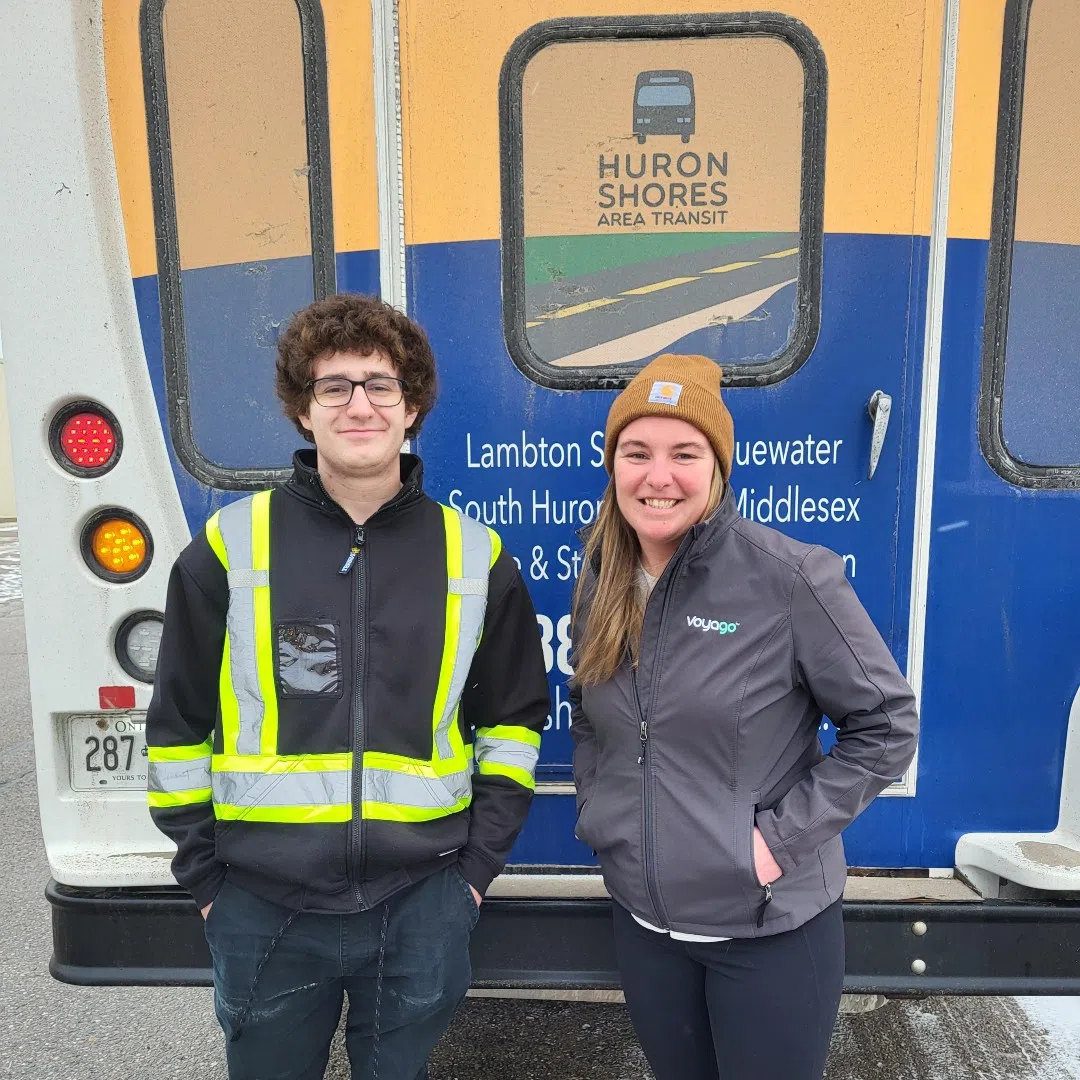
Huron Shores Area Transit (HSAT) says it has reached a new stage of stability after moving from a pilot project into a long-term regional transit system with funding secured through 2030.
The organization reports that it provided 21,028 passenger trips in 2025. That is a drop of 17.8 per cent compared to the previous year, which officials say was mainly due to fewer international students, uncertainty around funding, and a temporary pause in marketing efforts.
Despite the decline in ridership, HSAT says its finances remained steady, with fare revenue covering about 14.7 per cent of operating costs. Officials say this is within expected levels for small rural transit systems.
Over the year, HSAT secured about $4.7 million in combined funding from provincial, municipal, First Nation, fare, and advertising sources. The service continued operating across a 1,501 square kilometre area, connecting 19 communities with Sarnia, London, and Goderich.
Several changes were also made to improve service. Route 4 was removed after a municipality withdrew participation, and Route 3 is being reviewed for possible conversion to an on-demand service to better match local travel needs in Bluewater.
HSAT also moved ahead with a bus stop improvement project funded by the federal government. The upgrades will include accessible shelters, benches, solar lighting, and bike parking, along with new advertising opportunities.
Officials say fare changes, discount programs, and the use of smart card technology helped improve revenue per trip, while seasonal express routes continued to perform well.
Looking ahead to 2026, HSAT says its focus will include planning for on-demand service options, completing infrastructure upgrades, renewing its service contract, and increasing public awareness through marketing. The goal, officials say, is to strengthen transit as a reliable service that supports travel, access, and economic activity across the region.
